Selling QR sticker kits: what it pays and who actually buys
Most things you can refer online are abstract — a plan, an account, a credit balance. A sticker kit is an object. You can hold it up, let someone scan it out of your hand, and watch them understand the product in four seconds.

What this covers
Most things you can refer online are abstract. A plan. An account. A credit balance. You describe it, the other person nods politely, and nothing happens.
A sticker kit is an object. You hold it up, they scan it out of your hand with their own camera, and the product explains itself in about four seconds. That is the whole reason this is the easiest thing on ANOQR to sell.
What you are actually selling
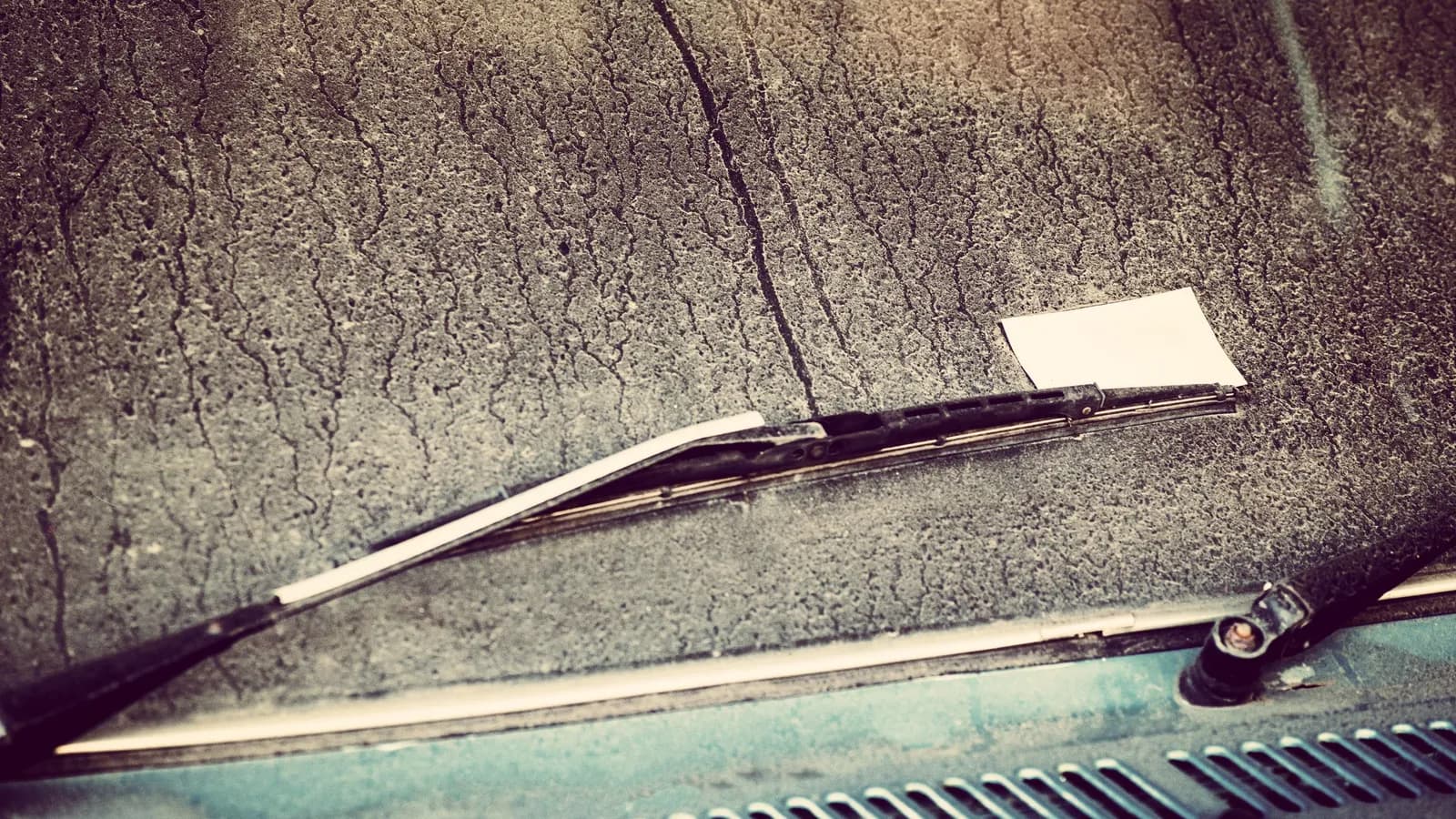
A weatherproof vinyl decal that replaces the phone number on a windscreen, a flat door or a shop shutter with a QR code. Someone scans it, rings the owner through ANOQR, and neither side ever sees the other's number. There is no free-text box, so it cannot be used to harass anyone.
Kits start at ₹249, arrive with calling balance already loaded, and are posted free anywhere in India by India Post. If someone wants to try it first, printing a decal at home is free — and people who print one almost always come back for the vinyl.
The product itself is explained properly in take your phone number off your windscreen. Read that before you sell it; every question below comes out of it.
What it pays, stated honestly
Your referral slab is 25%, or 50% for as long as you hold the verified shield. That is the same slab that applies everywhere else on ANOQR — see how the referral programme works for the mechanics.
A kit pays that slab of the margin, not of the price. This is the single thing to get straight before you quote a number to anybody.
The ₹249–₹499 a buyer pays covers the vinyl, the cutting, India Post, and the calling balance that is credited to their wallet on day one. Those come out first. What is left is the margin, and your slab is a share of that.
Your internship or referral dashboard shows the live average margin and what it pays at each slab, so you never have to guess. What you must not do is tell someone you earn "50% of ₹499" — that is a number nobody can ever be paid, and the first person who checks will stop trusting everything else you said.
Plans are different: there your slab applies to the plan price. A referral who buys a kit and later takes a plan pays you on both.
Who actually buys
Four groups, in the order they are easiest to sell to.
People who park on a street. The whole pitch is one sentence: the number on your dashboard can be photographed by anyone walking past. They have never thought about it, and once they have, they cannot unthink it. Women who drive alone are the group who understand it fastest.
Apartment residents and housing societies. Not for the car — for the flat door and the main gate. Couriers, visitors, maintenance. Secretaries buy in tens rather than ones, which is where this stops being pocket money.
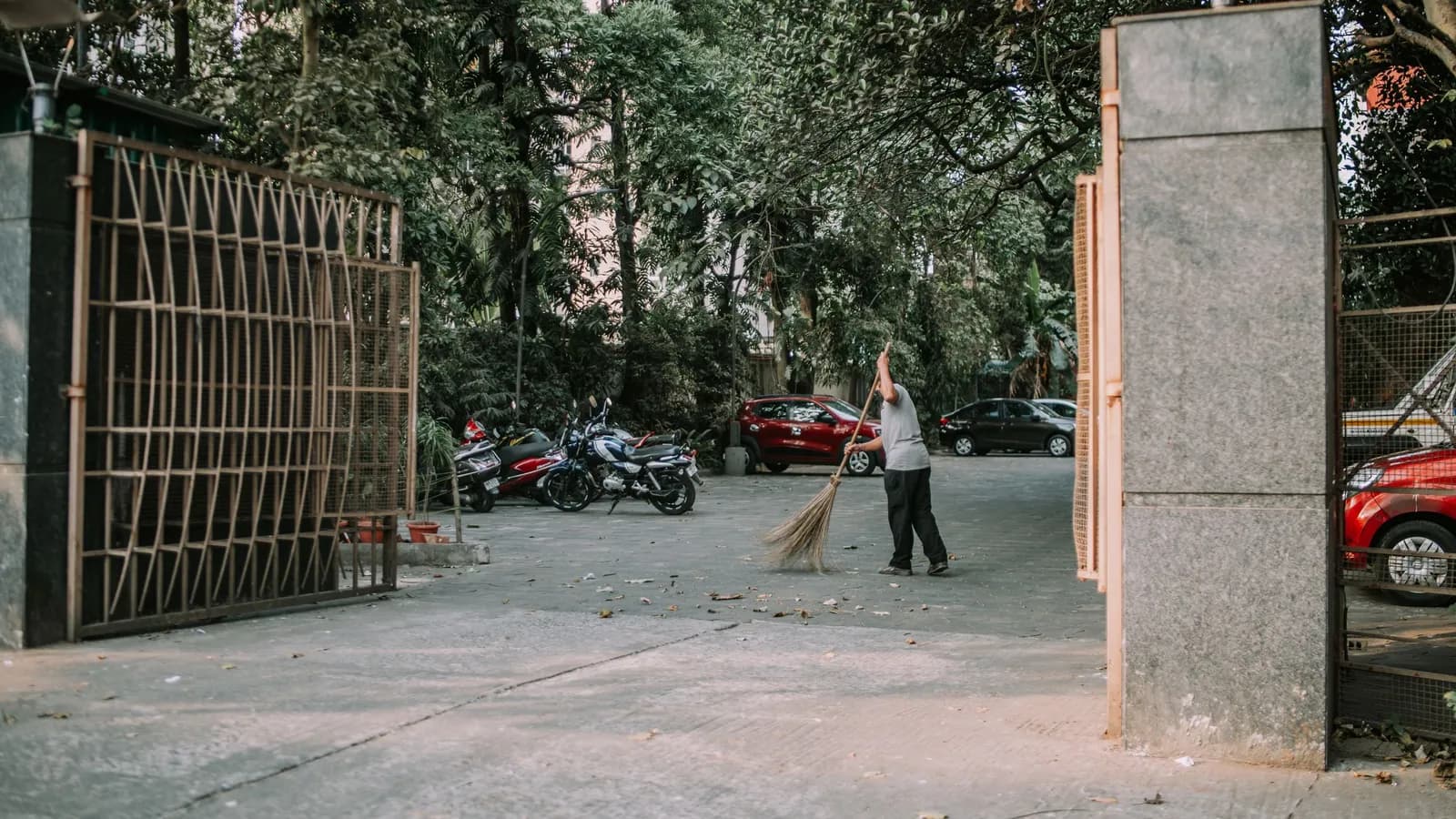
Shops that close at six. A decal on the shutter means a customer standing outside at eight can reach the owner without the owner's mobile number being painted on the shutter for everyone else.
Delivery fleets and driving schools. Every vehicle, one account, no personal numbers published anywhere. This is the largest order size on the list and the slowest to close.
How to actually sell one
- Put one on your own car or door first. You cannot sell a sticker you do not use. It is also your demo.
- Let them scan yours. Do not describe it. Hand it to them.
- Answer the privacy question before they ask it. "Can they see my number?" No. "Can they text me rubbish?" There is no typing at all. Those two answers close most conversations.
- Send your referral link, not the plain site. A kit bought without your link pays you nothing, and there is no way to attach it afterwards.
- Follow up once. People buy this the second time they think about it, not the first.
If you want the structured version
Selling these is built into the free marketing internship as graded work — a WhatsApp selling drill in week 3 and a field round of apartments, shops and parking lots in week 18. Both carry points and both want proof.
The internship is also where the maths is kept honest: the dashboard prints the live margin, your slab and what a kit actually pays, as three separate numbers.
One thing not to do
Do not put decals on cars that are not yours. It is not marketing, it is littering on somebody's property, and it is the fastest way to turn a privacy product into a nuisance in your own neighbourhood. Sell to the owner, standing there, with the owner's agreement.
Frequently asked questions
- How much do I earn on a sticker kit?
- Your referral slab — 25%, or 50% while you hold the verified shield — of the margin on the kit, not of the ₹249–₹499 price. The vinyl, the postage and the buyer's bundled calling balance come out first. Your dashboard shows the live figure.
- Why does a kit pay on margin when a plan pays on price?
- A plan has almost no cost of goods. A physical kit has vinyl, cutting, India Post and a calling balance credited to the buyer on day one, all paid before anything is left over. Paying a slab of the full price would mean paying out more than the sale brings in.
- Who is easiest to sell a kit to?
- Anyone who parks on a street, and it takes one sentence: the number on your dashboard can be photographed by anyone walking past. Apartment societies and shops buy in larger quantities but take longer to close.
- Do I need to buy a kit before I can sell them?
- No, but you should. A decal on your own car is your demo, and letting someone scan it out of your hand explains the product faster than any description.
- Can I add my referral link to a sale afterwards?
- No. A purchase made without your link is not attributable to you later, so always send your own link rather than pointing someone at the plain site.